
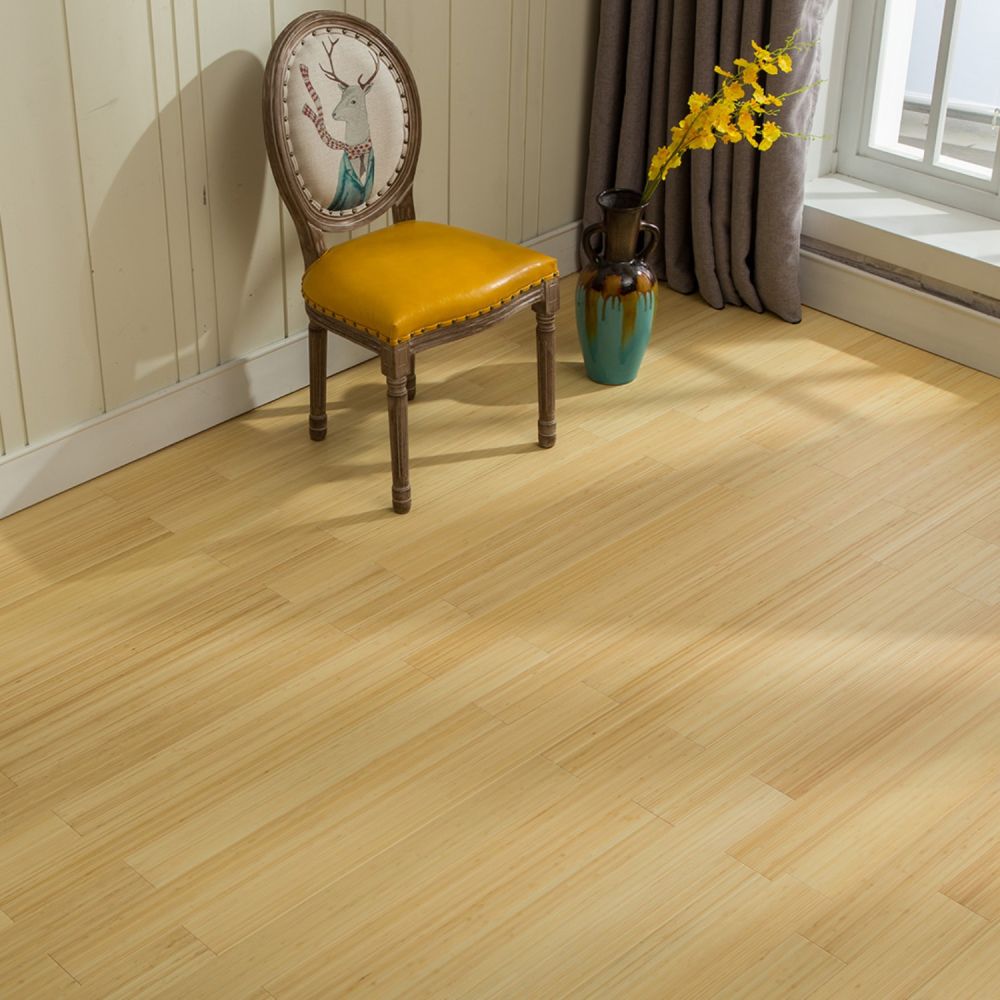
Vertical natural solid bamboo flooring offers a calm, finely detailed surface that highlights the pure, untouched beauty of bamboo. To show what makes this material appealing, it helps to start with the basics of solid bamboo flooring. Solid bamboo flooring is produced by slicing mature bamboo culms into long strips, removing the outer skin, treating the strips to eliminate starches and impurities, drying them to the correct moisture level, and laminating them under high pressure. These laminated blocks are then milled into strong, uniform planks. Because the material is solid all the way through—rather than layered like engineered flooring—it has a stable density and a sturdy, reliable feel underfoot. This structure allows it to perform consistently in everyday living environments, maintaining both strength and appearance over an extended period.
Vertical grain is one of the defining features of this product. When creating a vertical‑grained board, the bamboo strips are turned on their sides so their narrow edges face upward during lamination. As the strips align in tight rows, the surface develops a fine-lined texture that runs smoothly along the length of each plank. This gives the floor a refined, structured look with subtle variations rather than broad patterns or prominent nodes. The grain expresses itself through gentle linear markings that offer a balanced, uniform aesthetic. Many people appreciate vertical grain for its quiet elegance and its ability to complement interiors that favor simplicity and clean lines. This grain orientation also contributes to the extreme stability of the board, as the vertical arrangement of fibers helps reduce the chance of lateral expansion.
The natural color brings another meaningful dimension to the material's appeal. Natural bamboo retains the soft, light tones that come directly from the plant itself. Instead of being altered by heat or staining, the color reflects the creamy, pale golden shade that bamboo develops in its mature stage. This clarity of tone enhances the fine grain and helps brighten interior spaces. Natural bamboo flooring pairs easily with modern, traditional, Scandinavian, and coastal décor because it acts as a neutral foundation while still offering a warm, organic feel. The absence of artificial coloring also highlights the authenticity of the bamboo fibers, allowing their inherent character to stand on its own.
Vertical natural solid bamboo flooring is available in several practical and visually appealing sizes. Standard thicknesses typically range from about 10 to 15 millimeters, giving homeowners and installers flexibility depending on the subfloor and installation preferences. Widths usually fall between 96 and 130 millimeters, although custom widths can be produced for special projects. Lengths vary from short boards that create lively visual movement to long planks that stretch across a room with a smooth, uninterrupted flow. These size options allow the flooring to adapt to compact rooms, wide hallways, large living areas, and commercial spaces. With multiple dimensions available, designers can influence the spatial impression of a room—wider boards offer a broader feel, while narrower boards add rhythm and structure.
China Bamboo flooring
Horizontal carbonized solid bamboo flooring represents a distinctive category within the broader family of bamboo building materials, combining the durability of solid construction with the warm, matured appearance produced through carbonization. To understand what sets this flooring apart, it helps to begin with the nature of solid bamboo boards themselves. Solid bamboo flooring is produced by taking strips of bamboo cut from the stalk, drying them, laminating them together with high‑pressure bonding technology, and machining them into strong, uniform planks. Unlike composite or engineered flooring that uses thin layers or veneers, solid bamboo flooring relies on a dense, homogeneous structure that gives the boards a consistent feel from top to bottom. The material is known for its strength, dimensional stability, and distinctive natural character that comes from the organic fibers running along its length.
Among the various ways bamboo strips can be arranged during lamination, the horizontal grain structure offers one of the most recognizable appearances. In a horizontal configuration, the strips are laid flat so the broad surface of the bamboo skin faces upward. This orientation reveals the trademark bamboo nodes—also called growth rings—across the surface of every plank. The pattern features gentle variations in shade, linear traces of the original stalk, and a soft, relaxed flow that highlights the plant’s natural beauty. It contrasts with vertical grain, where strips are turned on their sides to produce a more subtle, lined texture. The horizontal grain appeals to homeowners and designers who prefer a more organic and expressive look, emphasizing the material’s botanical origins rather than hiding them.
Carbonization adds another layer of visual interest. Bamboo in its natural state tends to exhibit pale, creamy tones, but carbonized bamboo adopts a richer, deeper color. The carbonizing process is not a surface stain or topical finish; instead, the bamboo is exposed to controlled heat and steam before lamination. This treatment caramelizes the natural sugars inside the plant fibers, infusing the entire material with warm, coffee‑like shades that range from honey to chestnut brown. Because the color penetrates throughout the strips, it retains its tone even after wear or sanding. The result is a mellow, inviting finish that suits interiors seeking a sense of warmth and understated sophistication. Carbonization also lends each board a unique character, since slight tonal shifts reflect the organic nature of the source material.
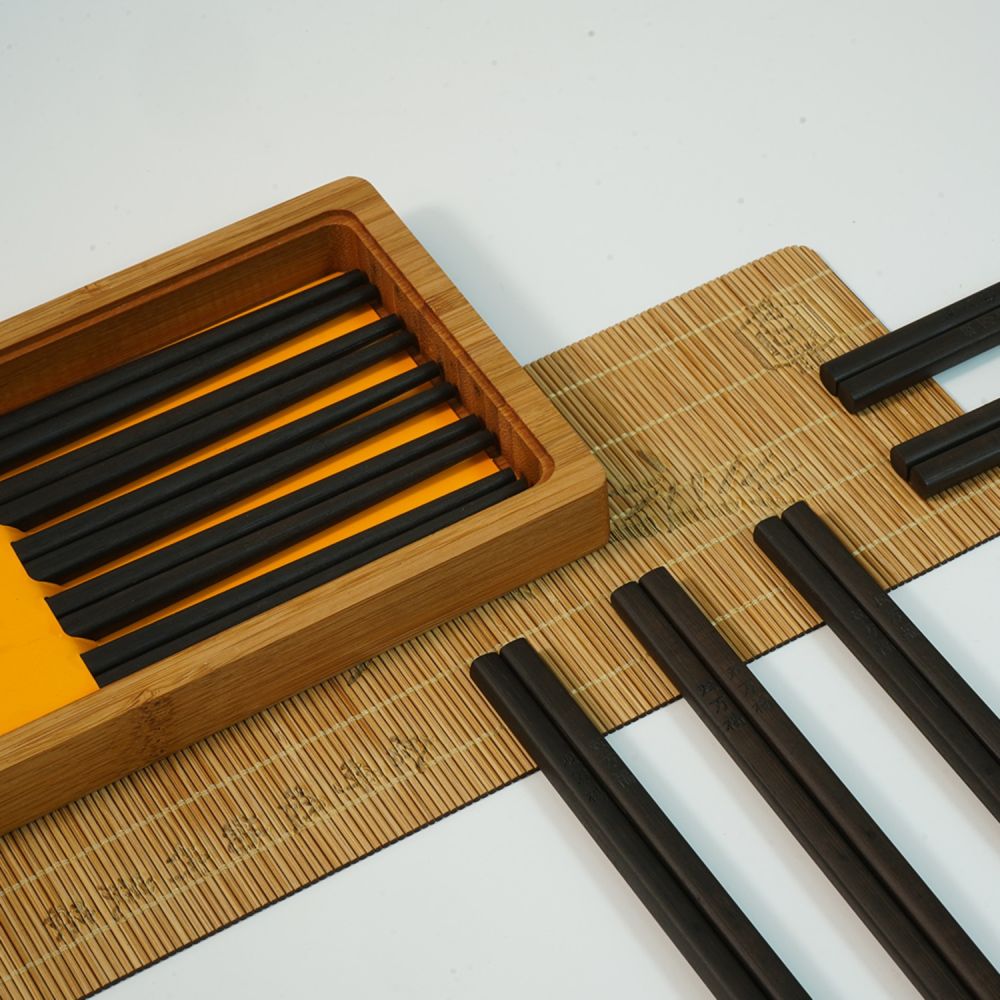
Unpainted, Untainted: Bamboo Chopsticks That Keep It Natural
The Beauty of Simplicity
Bamboo has been associated with resilience and grace for centuries. In many Asian traditions, it symbolizes integrity, flexibility, and endurance. Choosing unpainted chopsticks made from this material reflects a similar mindset—valuing function and natural beauty over decoration.
When bamboo is left untreated after shaping and polishing, its surface retains a light matte finish that feels soft and slightly warm to the touch. Each pair has subtle grain variations, slight color differences, and a gentle natural scent. These features make them uniquely personal. Unlike painted chopsticks that can chip or fade with use, the uncoated ones only become smoother with time, their edges gently polishing through repeated handling.
This unembellished form also brings out bamboo’s inherent traits. Beneath the clean surface lies a network of fibers known for strength and elasticity. They balance durability with lightness—a quality that makes bamboo utensils well-suited for both household and professional use.
Health and Safety Benefits
One of the most practical advantages of using unpainted bamboo chopsticks is cleanliness in its purest form. Without paint, lacquer, or dyes, there’s no risk of harmful chemicals leaching into your food, especially under heat or moisture.
Painted or varnished chopsticks may look more decorative but can pose concerns. Over time, coatings degrade, particularly when frequently washed or exposed to hot dishes. Fine cracks in the varnish can harbor bacteria, while worn edges may flake into meals. By contrast, completely natural bamboo chopsticks are free from synthetic sealing agents. Their smooth surface, when properly finished and sanded, is naturally antibacterial and easy to clean.
Bamboo’s natural attributes include resistance to odor absorption and fungal growth. It inhibits bacterial activity through a substance called “bamboo kun,” an antimicrobial bio-agent present throughout the plant’s fibers. Even without chemical treatment, this property helps keep chopsticks hygienic for daily use.
For people living with chemical sensitivities or those seeking non-toxic kitchenware, unpainted bamboo is an easy choice. It provides both peace of mind and a closer relationship with unaltered materials.
Environmentally Conscious Craftsmanship
Bamboo is remarkable among natural materials for how quickly and cleanly it regenerates. Capable of growing more than a meter in a single day, it’s one of the most renewable resources available. Harvesting bamboo doesn’t destroy the root system; once cut, new shoots naturally emerge the following season. This sustainability gives bamboo a major edge over wood, which can take decades to mature.
When producers choose not to paint or lacquer bamboo, the environmental footprint shrinks further. No synthetic pigments or sealants mean fewer pollutants released during manufacturing, minimal energy use, and reduced chemical waste. The process typically involves cutting, shaping, and sanding the bamboo, followed by natural drying—keeping it as close to its original form as possible.
These qualities make unpainted bamboo chopsticks a model example of low-impact craftsmanship. They decompose far faster than coated or plastic utensils and can return harmlessly to the soil at the end of their life cycle. For those embracing sustainable dining habits, the choice feels effortless yet meaningful—reconnecting consumption with respect for materials.
The Tactile Experience of Natural Bamboo
When holding unpainted bamboo chopsticks, the tactile experience immediately stands out. The surface has a soft friction that offers an excellent grip on slippery foods like noodles or sushi, something glossy lacquered versions struggle to achieve.
Because there’s no paint or protective film between your fingers and the wood, every sensation feels grounded and organic. The chopsticks respond quickly to subtle movements, transferring minimal heat and creating a natural harmony with the food. This tactile feedback often goes unnoticed until you use unpainted chopsticks—then it becomes hard to go back to coated ones.
Some chefs even claim that natural bamboo offers a slight advantage for precision, particularly when handling delicate ingredients. The texture gives just enough resistance, allowing for better control over portioning and plating. More than functionality, however, there’s a simple satisfaction in using something raw yet refined by skilled hands.
Caring for the Natural Finish
Although durable, unpainted bamboo requires gentle handling to maintain its surface integrity. Fortunately, care is simple, and with minimal effort, a set can last for many years.
Wash promptly: Rinse chopsticks soon after meals to prevent residue from sticking. Use mild soap and warm water, cleaning gently with a soft cloth rather than abrasive scrubbers.
Avoid soaking: Prolonged exposure to water softens bamboo fibers. Quick washing and thorough air-drying keep them firm and prevent swelling or cracking.
Dry completely: Always dry chopsticks upright in a holder or on a rack to allow airflow. Storing them still damp encourages mold growth.
Oil occasionally: To maintain sheen and prevent dryness, apply a light coat of food-safe oil such as mineral or coconut oil once a month. Wipe off excess to prevent stickiness.
Following these steps helps the chopsticks retain their authentic appearance and smooth surface. Over time, they’ll take on a soft patina—a sign of use and character rather than deterioration.